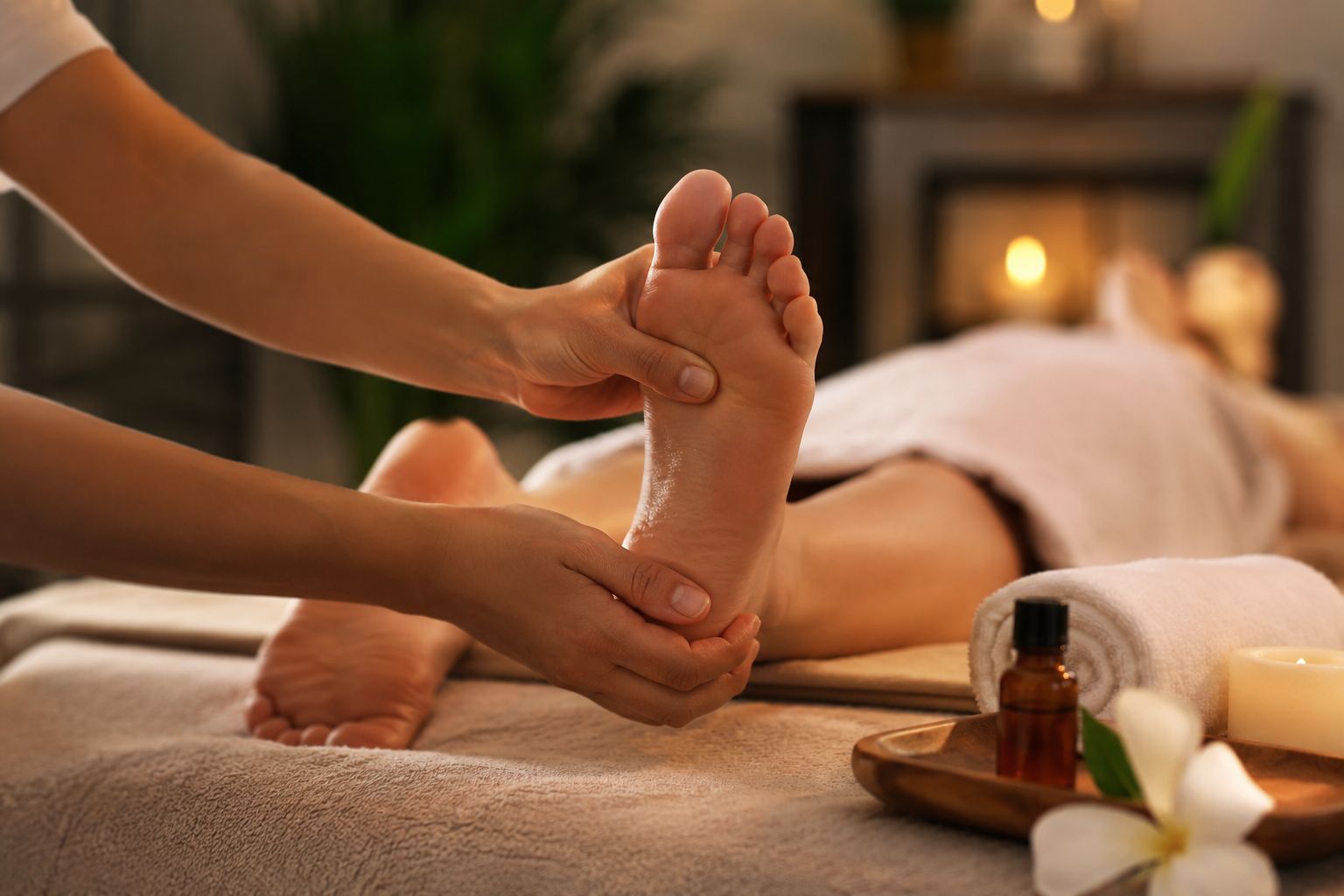
What Kind of Massage is Best for Neuropathy?
Neuropathy doesn’t just cause pain in the nerves, it is unpredictable as well.
Some days it’s a mild tingling, other days it feels like burning, numbness, or pins and needles that just won’t go away. And when that discomfort starts affecting your sleep, walking, or even sitting still, it becomes something you actively want to manage, not just tolerate.
Many people dealing with neuropathy have turned to massage in Alexandria as a preferred option. It is not a replacement for medical treatment but something that can genuinely make day to day life more manageable. The important part of the therapy is choosing the right kind of massage because with neuropathy, technique is more important than the intensity.
Why Massage Can Actually Help Nerve Pain
When nerves are damaged or irritated, it leads to poor circulation, inflammation, and tight tissues pressing on already sensitive areas. Massage works on all these areas.
It helps move blood into body parts that aren’t getting enough of it, which means more oxygen and nutrients reaching the nerves. It also reduces swelling and relaxes surrounding muscles that may be adding pressure where it’s not needed.
Many people notice something simple but powerful after a session: their body feels relaxed and less tense. And that actually helps in neuropathy.
Which Massage Styles Work Best?
Not all massages give the same results, especially when nerves are involved. Some techniques support healing, while others can overstimulate or even irritate symptoms.
Here’s what tends to work best:
Swedish Massage
Swedish massage is the safest to start. It uses long, flowing strokes and light pressure.
It improves circulation without stressing sensitive nerves and relaxes the body overall. For many people, this is the first time they feel relief without discomfort during a session.
Myofascial Release
It is a recommended therapy when tightness is the problem. Sometimes neuropathy symptoms aren’t just about the nerves themselves, they can be about what’s pressing on them.
That’s where myofascial release can be beneficial. Instead of typical massage strokes, this technique works slowly on the connective tissue. It releases restrictions that can trap or compress nerves.
It’s subtle, but very effective, especially if your symptoms are related to stiffness or limited movement.
Lymph Drainage Therapy
Lymph drainage therapy is one of the most overlooked therapies for neuropathy and often one of the most effective. It uses extremely light, rhythmic movements and doesn’t feel like a traditional massage at all.
It reduces fluid buildup, decreases swelling around nerves and supports the body’s natural detox process. If your neuropathy comes with heaviness, puffiness, or inflammation, the treatment can make a big difference.
Massages You Should Be Careful With
Not every massage is a good fit and this area is where people often make mistakes, particularly when they choose deep tissue massage for conditions like neuropathy without considering their specific symptoms and needs.
Deep Tissue Massage
Deep tissue massage can help but it can also go wrong. It works on deeper muscle layers, which can release long standing tension. The issue is that neuropathy often affects how well you feel under pressure.
That means you might not realize when it’s too much. Your tissues may react negatively afterward. This doesn’t mean never do it but you should only receive this treatment from a therapist who understands neuropathy and can make appropriate adjustments.
Hot Stone Massage Therapy
This therapy is very beneficial for relaxation, but for neuropathy, it is not worth the risk. The reason is that when your nerves aren’t sensing temperature properly, hot stones can feel fine at first, but they become too hot without you realizing it.
Hot Stone Massage Therapy can create a risk of burns, so most professionals recommend skipping this technique for neuropathic areas.
Finding the Right Massage in Alexandria
The right technique matters, but the therapist matters more. If you are looking for a massage in Alexandria, don’t just look at the menu of services. Pay attention to how they approach care.
You want someone who listens before they start, adjusts pressure instead of following a fixed routine, and understands that pain tolerance isn’t the goal.
Neuropathy responds best to intentional, controlled massage and not aggressive pressure.
Common Symptoms of Neuropathy
Symptoms of neuropathy can vary from person to person depending on which nerves are affected. For some, the discomfort is mild. For others, symptoms can interfere with daily activities and sleep.
Common symptoms of neuropathy include:
- Tingling or pins and needles sensation
- Burning pain in the hands or feet
- Muscle weakness
- Numbness or reduced sensation
- Sensitivity to touch
- Difficulty maintaining balance
- Sharp or shooting nerve pain
These symptoms often become more noticeable over time, which is why many people seek supportive treatments such as massage therapy to help manage discomfort naturally.
Can Massage Improve Blood Circulation in Neuropathy Patients?
Massage therapy can help improve blood circulation in many patients with neuropathy. Improved circulation may help oxygen and nutrients get to the affected tissues more effectively, which may help relieve discomfort and muscle tightness over time.
Swedish massage and lymph drainage therapy are especially beneficial as they promote good blood flow without putting excessive pressure on the sensitive nerves.
Spa 180 Prestige
If you are considering professional massage treatment, Spa180 Prestige is one of the more reliable options for high quality massage in Alexandria.
What stands out isn’t just the variety of services, it’s the way sessions are handled. Here the treatments are customized, not standardized. Therapists are well trained and they focus on controlled pressure and technique.
What to Expect From Massage Over Time
Massage cannot resolve the problem in a single session. Some people feel lighter or more relaxed immediately, but the real benefits build gradually. After a few regular sessions you will observe less burning or tingling, improved movement and flexibility, better sleep, and fewer negative days.
The key is regular therapy with the right technique, such as deep tissue or myofascial release, tailored to address the specific symptoms of neuropathy.
Final Thoughts
There’s no single perfect massage for neuropathy but gentler, circulation focused techniques help a lot. Overly aggressive or heat based treatments tend to cause problems, as they can exacerbate symptoms and lead to increased discomfort for patients with neuropathy.
With neuropathy, applying more pressure does not improve the situation, instead, using a better technique is what matters.
And when you combine the right approach with a skilled therapist, massage can shift from being a luxury to something genuinely therapeutic.
Frequently Asked Questions
1. Can massage really help neuropathy?
Answer: Yes, massages, along with medical care, can help a lot with pain, numbness, and stiffness. Regular therapy can give excellent results.
2. What’s the best massage to start with?
Answer: Swedish massage is usually the safest and most effective starting point.
3. Can foot massage help neuropathy?
Answer: Yes, foot massage can be helpful but the massage should be gentle. Light massage works the best and gives excellent results.
4. How often should I go for a massage?
Answer: Usually, one or two sessions a week are enough and you will see noticeable results after a few sessions.
5. Should I avoid deep tissue completely?
Answer: Not necessarily, but it should be done carefully and only by someone experienced with neuropathy.