How Often Should You Get a Massage?
Have you ever noticed that after a massage, you feel relaxed, lighter, and more balanced? You must have asked yourself how often to experience that emotion. Most individuals engage in a massage only when stress is too high or the pain is too uncomfortable to be ignored, but some consider massage as an element of their self-care. But what method is the best one?
Massage therapy is considered to be one of the most popular wellness therapies. It favors physical and psychological well-being, allowing the human body to restore its strength after the stress of the day, muscle tension, and emotional exhaustion. However, in order to truly gain lasting benefits, timing is equally important as the technique.
If you’ve been asking yourself how often you should get a massage, you’re not alone. This manual divides massage frequency into factors that include lifestyle, health objectives, and needs of the body, so that you can make knowledgeable choices and not guess.
Why Massage Frequency Matters
The therapeutic effect of massage is cumulative. Although one session may be phenomenal, its long-term advantages will arise when it is done regularly. Massage assists in enhancing circulation, muscle relaxation, inflammation, and nervous system calming. These effects, however, wear out as the sessions are too distant.
The muscles are likely to resume normal tension patterns, particularly when your life is stressful, sedentary, strenuous, or demanding training. Massage breaks this cycle and allows the human body to reset itself and change with time.
Stated differently, massage works best when it is proactive and not reactive.
How the Body Responds After a Massage
There are physiological changes that occur after a massage session:
- Blood flow increases, delivering oxygen and nutrients to tissues
- Lymphatic drainage improves, helping reduce inflammation
- Stress hormone levels drop while relaxation hormones rise
- Muscles soften, improving flexibility and range of motion
Such gains are usually maximal during the first few days and gradually decline in one to two weeks according to the intensity of activity, stress, and general health. It is this natural recovery cycle that makes frequency such a crucial element in making long-term results possible.
How Often Should You Get a Massage Based on Your Goals?
1. Stress Relief and Relaxation
Recommended frequency: Every 3–4 weeks
A once-a-month massage will be highly effective when you are looking to unwind, clear your mind and have a sense of stability. The Swedish massage, especially, is beneficial in the calming of the nervous system, reducing stress hormones, and quality of sleep.
This schedule is preferred by many clients as a way of relaxing, having a fresh mind, and avoiding stress build up. If you want to get a massage as part of a sustainable self-care routine, this frequency provides consistent benefits without overstimulation.
2. Chronic Muscle Tension or Pain
Recommended frequency: Weekly or bi-weekly (initially)
Chronic tension, pain associated with posture, or frequent stiffness normally demands more frequent care, at least initially. Deep tissue massage is best performed when the sessions are separated by very short spans, such that the muscles do not have enough time to revert to their natural tight posture.
This method is particularly beneficial when it comes to:
- Neck and shoulder tension
- Lower back discomfort
- Desk-related postural strain
After noticeable improvement, many people transition to a maintenance schedule of once or twice per month.
3. Active Lifestyles and Athletic Recovery
Recommended frequency: Weekly during intense activity
Athletes and physically active people are the best candidates for sports massage. Frequent sessions reduce fatigue in the body and enhance flexibility, as well as aid in quicker recovery.
Massage is also good in avoiding injuries, whereby tight spots are treated before they develop into an issue. Consistency is important to the performance and recovery of people who train regularly or do high-impact activities.
4. Injury Recovery and Rehabilitation Support
Recommended frequency: 1–2 times per week (guided)
Massage therapy will also be a good addition to injury healing, as it enhances circulation to injured parts of the body and removes toxins after massaging the compensatory tension of the muscles. Nevertheless, your therapist must determine frequency and must relate it to the healing stage.
Soft massage, specific exercises, and other gentle therapies are likely to be more effective than abusive treatments in the recovery process.
5. Preventive Wellness and Long-Term Care
Recommended frequency: Once per month
Preventive massage is more about balancing and not treating pain. The sessions are monthly and assist in circulation, mobility, stress management, and wellness.
This will assist the clients to prevent the situation when the discomfort or stress becomes overwhelming. When people get a massage consistently for preventive care, they often notice fewer aches, better sleep, and improved mood.
Matching Massage Type with Frequency
Different massage styles respond best to different schedules:
- Swedish Massage: Ideal for monthly relaxation and stress relief
- Deep Tissue Massage: Most effective in a structured series for chronic tension
- Sports Massage: Best with frequent sessions during training periods
- Hot Stone Massage: Enhances relaxation and muscle release
- Shiatsu Massage: Supports energy balance and holistic wellness
- Japanese Foot Massage: Encourages full-body relaxation through reflexology
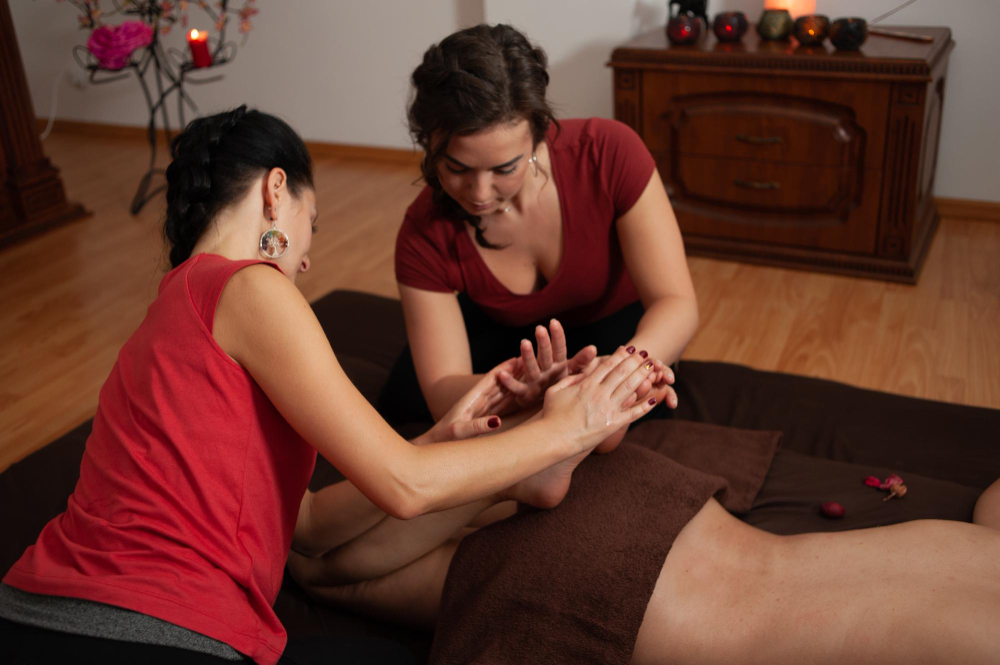
- 4 Hands Massage: Intense relaxation, best enjoyed occasionally
- Couples Massage: Perfect for shared relaxation experiences
Choosing the right technique alongside the right timing maximizes results.
Why Clients Prefer Spa180 Prestige in Alexandria, VA
In Spa180 Prestige, massage therapy is specially designed to suit one person. The therapists consider your lifestyle, stress levels, stress points, and wellness to make a personalized experience.
The relaxing atmosphere of the spa is conducive to profound relaxation and successful outcomes and is enhanced by the professional methods. Relaxation and pain treatment sessions are intentional instead of habitual, whether you are stress-free, in pain, or seeking long-term wellness.
Conclusions: Finding the Right Rhythm to Your Body
Massage frequency has no universal solution. Your best schedule would be based on your goals, the level of activity, and the response of your body to treatment. Coherence and professional advice are what is important.
Massage therapy does not only include relaxation, it is also a matter of balance, avoiding discomfort, and helping you overall. It is one of the best long-term health instruments when it has been planned well.
If you’ve been considering when to get a massage again, listening to your body and working with experienced therapists can help you find the rhythm that delivers real, lasting benefits.
Common Questions about Massage Frequency
Can you get massages too often?
Yes. There is the danger of excess frequency that might result in soreness or fatigue, this is especially experienced with deep tissue massage. Balance is essential.
Is age a factor in the frequency of massages?
Yes. Tissues do not heal as fast as the body gets older. Light and frequent massage can be more helpful than occasional vigorous massage.
Does occasional massage remain beneficial?
Periodic meetings are a temporary reprieve of sorts, but regularity is what will make a durable transformation. To truly get a massage that supports overall health, frequency matters.
How long should I wait between massage sessions?
The waiting period depends on the massage type and your body’s response. Light relaxation massages may be spaced closer together, while deep tissue sessions often require several days for recovery.
Can massage frequency change over time?
Yes. Massage frequency should evolve with your lifestyle, stress levels, physical activity, and health goals. What works during a stressful phase may differ from long-term maintenance needs.
Is it better to get shorter massages more often or longer massages less frequently?
Both approaches can be effective. Shorter, frequent sessions support maintenance and stress control, while longer sessions are useful for deeper relaxation or targeted muscle work.