Are Massages Safe for Pregnant Women?
Pregnancy is a period in life that is both physically and emotionally demanding. The muscles are strained beyond their normal size, the posture changes almost every week, and the nervous system is in a hyper-vigilant state, as the body adjusts to accommodate a growing baby. It is not unusual to have back pain, tightness of hips, swelling of legs, headaches, and disturbed sleep. That is why a great number of pregnant women start to seek some safe and effective methods of coping with discomfort and regaining balance.
The question that arises naturally is: Are massages safe during pregnancy, and can pregnant women receive massage and be safe?
The answer to this question is yes, massage therapy can be safe and of great benefit to a pregnant woman. The more significant, and lengthy, answer is that safety is based upon the manner the massage is done, the person doing it, and whether the therapy is pregnancy-specific. Prenatal massage is neither a trend nor a luxury but a specialized wellness procedure that has its basis in anatomy, physiology, and maternal wellness.
Why Pregnancy Changes the Body’s Relationship with Massage
The process of pregnancy also produces fundamental changes in the way the body reacts to touch and pressure. The release of the hormone relaxin, which softens ligaments and connective tissue to ready the pelvis of a pregnant woman to give birth, is one of the most powerful changes. This enlarged flexibility is necessary, but it also decreases the stability of the joints, making violent pressure potentially damaging.
Meanwhile, the volume of blood rises approximately by half, circulation changes, and the retention of fluids is more evident, particularly of the legs and feet.
These developments imply that massage therapy has to be undertaken with accuracy. Massages performed on pregnant women have to use methods that favor circulation without overwhelming it, muscle tension without destabilization of joints, and relaxation with stimulation of nerves overload. That is why prenatal massage cannot be learned from the general experience of massage.
Is Massage Safe During All Stages of Pregnancy?
Safety during pregnancy is not about avoidance; it’s about adaptation.
First Trimester
During the first trimester, the body undergoes rapid internal changes. Fatigue, nausea, dizziness, and hormonal shifts are common. While there is no medical evidence proving massage causes miscarriage, the first trimester naturally carries a higher baseline risk. For this reason, professional spas tend to offer gentle, short sessions that focus on stress relief rather than physical correction.
Second Trimester
The second trimester is often considered the most comfortable and beneficial time for massage therapy. Energy levels improve, morning sickness typically subsides, and physical discomfort becomes more noticeable. Massage during this phase helps relieve lower back tension, hip discomfort, and postural strain while supporting circulation and emotional well-being.
Third Trimester
In the third trimester, massage becomes increasingly outcome-focused. As the baby grows, pressure on the spine, pelvis, and lower extremities intensifies. Swelling, sciatic discomfort, and sleep challenges are common. Prenatal massage at this stage prioritizes positioning, comfort, and circulation support, helping the body remain mobile and relaxed as it prepares for birth.
Read More: Swedish Massage vs Deep Tissue
What Makes Prenatal Massage Truly Safe
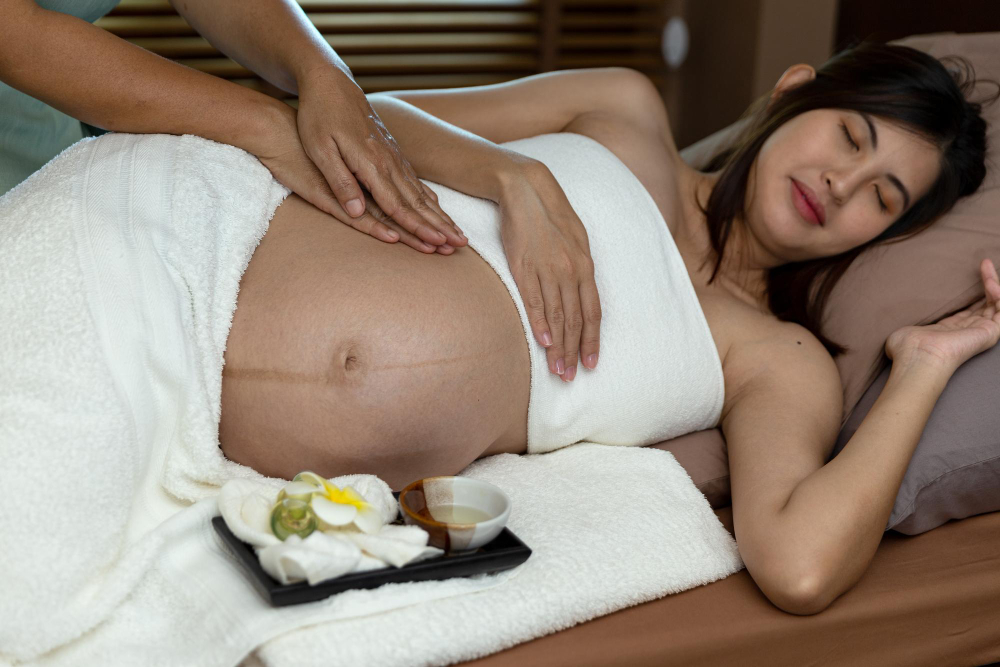
Prenatal massage safety is not determined by avoiding certain body parts; it is determined by professional judgment, communication, and technique at Spa180 Prestige. The following principles define a safe prenatal massage experience:
- Therapists are certified or trained specifically in prenatal massage
- Pressure is moderate, controlled, and responsive to the client’s comfort
- Side-lying positioning protects circulation and spinal alignment
- Deep tissue techniques are avoided in high-risk areas
- The massage evolves with each trimester
- Continuous communication guides adjustments throughout the session
- The goal is support and relief, not aggressive muscle manipulation
These elements work together to create an experience that is both calming and clinically appropriate.
The Physical and Emotional Benefits of Prenatal Massage
When properly performed, prenatal massage offers measurable benefits. Improved circulation supports oxygen and nutrient delivery while helping reduce swelling in the legs, ankles, and feet. Gentle muscle work eases tension in the lower back, shoulders, hips, and neck, areas most affected by pregnancy-related postural changes. Massage also encourages lymphatic drainage, which helps the body manage fluid retention more effectively.
Beyond physical relief, massage plays a vital role in emotional health. Pregnancy places significant demands on the nervous system, and chronic stress can affect both maternal and fetal well-being. Massage therapy by specialists at Spa180 Prestige activates the parasympathetic nervous system, reducing cortisol levels and promoting a sense of calm. Many women report improved sleep quality, reduced anxiety, and a stronger sense of connection to their changing bodies.
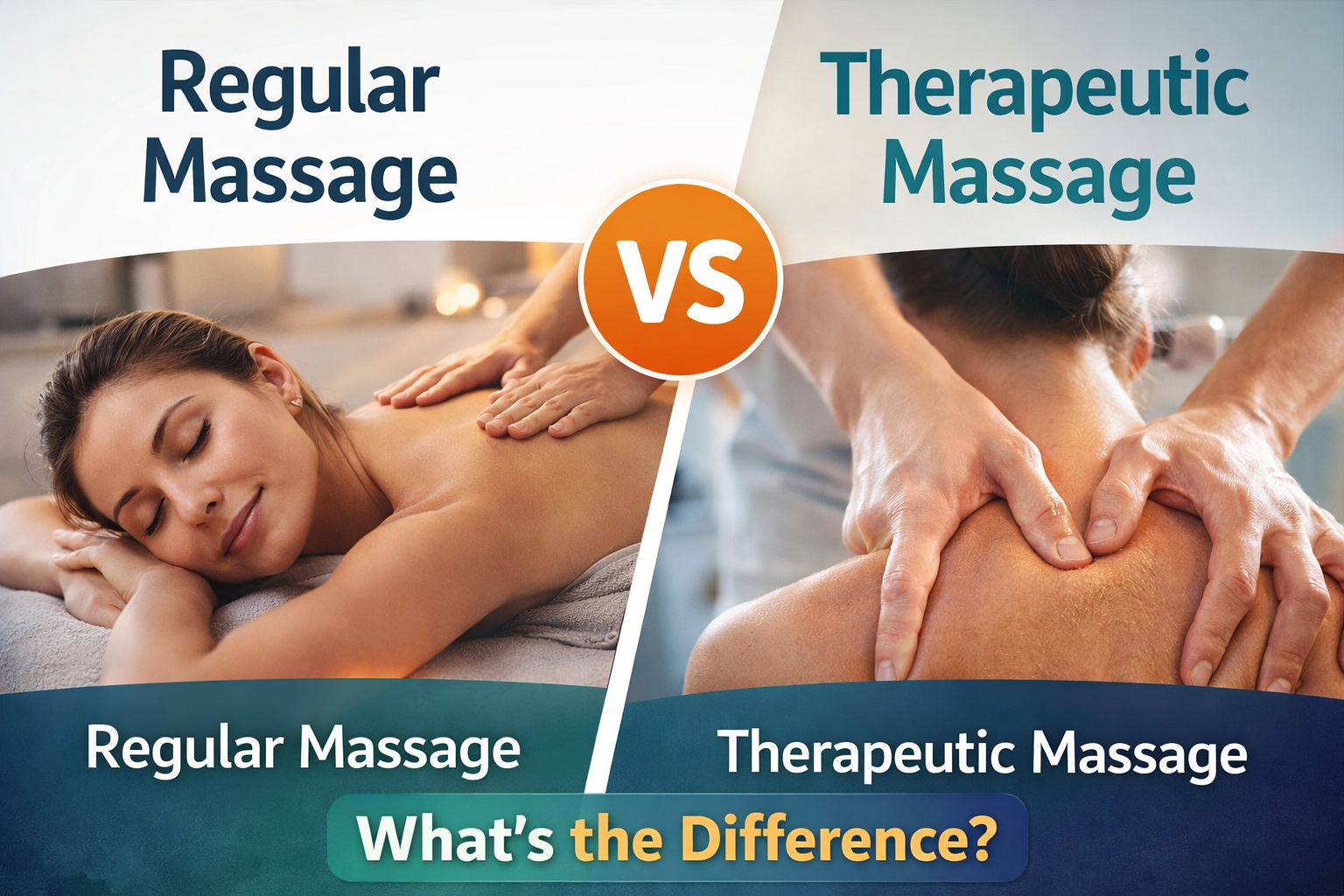
How Prenatal Massage Differs From Regular Massage
| Aspect | Regular Massage | Prenatal Massage |
| Client Position | Face-down or supine | Side-lying with bolsters |
| Pressure Level | Light to deep | Light to moderate |
| Focus Areas | Full body | Back, hips, legs, neck |
| Therapist Training | General massage | Prenatal-specific |
| Primary Goal | Muscle repair or relaxation | Comfort, circulation, safety |
This distinction is critical. Prenatal massage is not a reduced version of a standard massage; it is a distinct therapeutic practice with different priorities.
Addressing Common Myths
One persistent myth is that massage can induce labor or cause miscarriage. There is no credible scientific evidence supporting this claim when massage is performed professionally on a healthy pregnancy.
Another misconception is that feet should never be massaged due to pressure points. In reality, gentle foot massage is widely considered safe and is often one of the most effective ways to relieve swelling and fatigue.
The true risk lies not in massage itself, but in untrained practitioners applying inappropriate techniques.
When Medical Clearance Is Necessary
Although massage is safe for most pregnancies, certain conditions require medical approval. These include severe preeclampsia, placenta previa, a history of blood clots, uncontrolled gestational diabetes, or other high-risk diagnoses. In these cases, massage may still be possible, but it must be carefully customized or postponed.
Professional spas prioritize safety by encouraging open communication and collaboration with healthcare providers when needed.
Why Expertise Matters at Spa 180 Prestige
At Spa180 Prestige, prenatal massage is delivered with intention, education, and care. Therapists are trained to assess postural changes, adapt pressure safely, and provide comfort-focused therapy that evolves throughout pregnancy. Every session is tailored, recognizing that no two pregnancies, and no two bodies are the same.
When pregnant women get massages at Spa180 Prestige, they receive an experience that balances relaxation with responsibility, luxury with knowledge, and comfort with clinical awareness.
Final Thoughts
Pregnancy is not a condition to endure; it’s a process to support. Massage therapy, when guided by prenatal expertise and delivered in a professional environment, is both safe and deeply beneficial. It supports circulation, reduces pain, calms the nervous system, and helps expectant mothers feel more at home in their changing bodies.
So, are massages safe for pregnant women? Yes, when care is informed, intentional, and designed for pregnancy. In that context, massage becomes more than a moment of relief; it becomes part of a healthier, more balanced pregnancy journey.
Frequently Asked Questions
Can pregnant women safely receive massages?
Yes, pregnant women can safely receive massages when they are performed by trained professionals using prenatal specific techniques. Safety depends on proper positioning, pressure control, and therapist expertise.
What is prenatal massage?
Prenatal massage is a specialized form of massage therapy designed specifically for pregnant women. It focuses on comfort, circulation, and stress relief while adapting techniques to the physical changes of pregnancy.
Is massage safe during the first trimester?
Massage can be safe during the first trimester when it is gentle and focused on relaxation rather than deep physical work. Many professional spas limit session length and intensity during this stage as a precaution.
Which trimester is best for prenatal massage?
The second trimester is generally considered the most comfortable and beneficial time for prenatal massage, as energy levels improve and pregnancy related discomfort becomes more noticeable.
Are there areas that should be avoided during prenatal massage?
Rather than avoiding specific areas entirely, prenatal massage focuses on using appropriate pressure and techniques. Deep tissue work and intense pressure are avoided in high risk areas to ensure safety.
Can prenatal massage help with swelling and back pain?
Yes, prenatal massage can help reduce swelling by supporting circulation and lymphatic drainage. It is also effective in relieving lower back pain, hip tension, and neck discomfort caused by postural changes.
Is foot massage safe during pregnancy?
Gentle foot massage is widely considered safe during pregnancy and is often helpful in relieving swelling and fatigue when performed correctly by a trained therapist.
When should medical clearance be obtained before massage?
Medical clearance is recommended for high risk pregnancies, including conditions such as severe preeclampsia, placenta previa, blood clot history, or uncontrolled gestational diabetes.
How does prenatal massage differ from regular massage?
Prenatal massage differs in positioning, pressure level, therapist training, and treatment goals. It prioritizes comfort, circulation, and maternal safety rather than deep muscle repair.
How often can a pregnant woman get a prenatal massage?
Frequency depends on individual comfort, health status, and trimester. Many women benefit from regular sessions, especially during the second and third trimesters, when approved by their healthcare provider.